Home – Kenya
Kenya, nestled in East Africa along the Indian Ocean, is a land of extraordinary contrasts and timeless allure, where vast savannahs stretch under endless skies, snow-capped mountains pierce the equator, and turquoise beaches fringe coral reefs. Often called the “Cradle of Humanity” due to its pivotal role in human evolution—with fossil discoveries like those at Lake Turkana revealing some of the earliest hominid remains—Kenya captivates visitors with its blend of natural wonders, vibrant cultures, and resilient spirit. Spanning about 580,000 square kilometers, the country is home to over 50 million people from more than 40 ethnic groups, each contributing to a mosaic of traditions that reflect centuries of migration, trade, and adaptation. From the bustling streets of Nairobi, Africa’s “Silicon Savannah,” to the remote nomadic heartlands, Kenya offers a profound sense of place that leaves an indelible mark on travelers.
A short history of Kenya’s strong conservation efforts
Kenya’s commitment to conservation is deeply rooted in its colonial past and has evolved into a model of community driven stewardship, balancing wildlife protection with human needs. During the British colonial era in the late 19th and early 20th centuries, vast tracts of land were designated as game reserves to preserve big game hunting for elites, often at the expense of indigenous communities like the Maasai, who were displaced from fertile grazing areas to create spaces such as Nairobi National Park (established in 1946 as Africa’s first) and Tsavo National Park (1948). This era saw the rise of iconic conservation figures like Joy Adamson, whose book “Born Free” (1960) highlighted the plight of lions and inspired global awareness. Post independence in 1963, Kenya expanded its protected areas, now covering about 8% of the land, including 23 national parks and reserves managed by the Kenya Wildlife Service (KWS). A turning point came in the 1970s with a ban on ivory trade and anti poaching initiatives amid elephant and rhino declines. Today, Kenya’s conservation strength lies in innovative community conservancies, private or group owned lands where locals, especially Maasai, partner with tourism operators to protect wildlife corridors outside formal parks. These models, like those in the Maasai Mara region, generate revenue through eco-tourism while empowering communities, reducing human to wildlife conflict, and fostering biodiversity. This approach has helped rebound populations of endangered species, such as black rhinos (from near-extinction to over 800 today), and positions Kenya as a leader in sustainable tourism, where conservation is not just preservation but a shared economically cultural legacy.
Kenya’s rich culture
Kenya’s culture is a dynamic fusion of ancient traditions, colonial influences, and modern innovation, shaped by its diverse ethnic mosaic. The Swahili coast with cities like Mombasa and Lamu (a UNESCO World Heritage site), embodies a centuries-old blend of African, Arab, Persian, and Portuguese elements, evident in the melodic Taarab music, intricate henna designs, and spicy seafood curries infused with coconut and tamarind. Inland, Bantu-speaking groups like the Kikuyu (Kenya’s largest ethnic community) celebrate harvest festivals with ngoma drums and storytelling, while Nilotic peoples such as the Luo along Lake Victoria maintain vibrant fishing traditions and boat races. Nairobi pulses with urban energy, street art in Kibera slum, fusion cuisine blending Indian spices with local staples like ugali (maize porridge) and nyama choma (grilled meat), with a thriving music scene from Afrobeat to Gengetone rap. Festivals like the Lamu Cultural Festival or Nairobi’s International Camel Derby showcase this diversity, where visitors can immerse in markets bustling with kanga fabrics, sisal baskets, and aromatic spices. Yet, challenges like urbanization and globalization threaten some customs, making cultural tourism a vital preservation tool where homestays, village visits allow authentic exchanges, fostering mutual respect met with economic benefits.
The Maasai: Icons of resilience and tradition
No description of Kenya is complete without the Maasai, a semi-nomadic Nilotic people whose striking presence has become synonymous with the country’s wild heart. Numbering around 1.2 million across Kenya and Tanzania, the Maasai originated from the lower Nile Valley, migrating south in the 17th-18th centuries and displacing earlier inhabitants through their warrior prowess. Primarily pastoralists, they revere cattle as symbols of wealth status, with herds providing milk, blood (mixed with milk for nutrition), and hides, though modernization has seen some adopt farming or tourism roles. Their iconic red shuka cloaks (derived from Scottish tartans via colonial trade) and elaborate beadwork jewelry convey social status where blue for God, red for blood and bravery, white for purity. Men, known as morans (warriors), undergo rigorous initiations, including the famous adumu jumping dance to display strength during ceremonies like eunoto (graduation to elderhood). Women, adorned in colorful necklaces, handle child rearing and bead crafting, often sold to tourists for income. Polygamy and age set systems structure society, with elders (laibons) guiding decisions through oral histories and spiritual rituals tied to Enkai (the supreme god). Despite pressures from land loss and colonial evictions from parks like Maasai Mara that displaced thousands, the Maasai have adapted resiliently, leading conservancies that blend tradition with eco-tourism. Visiting a Maasai manyatta (village) offers profound insights like, watch spear throwing, learn medicinal plant uses, or join a fire-making ritual, all while supporting community led initiatives that preserve their heritage amid climate change and modernization.
National Parks and touristic impressions
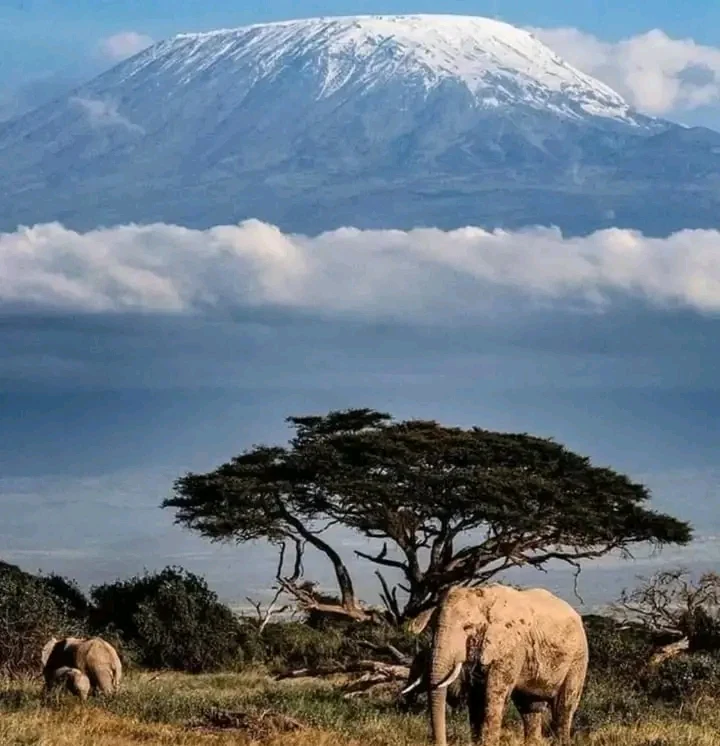
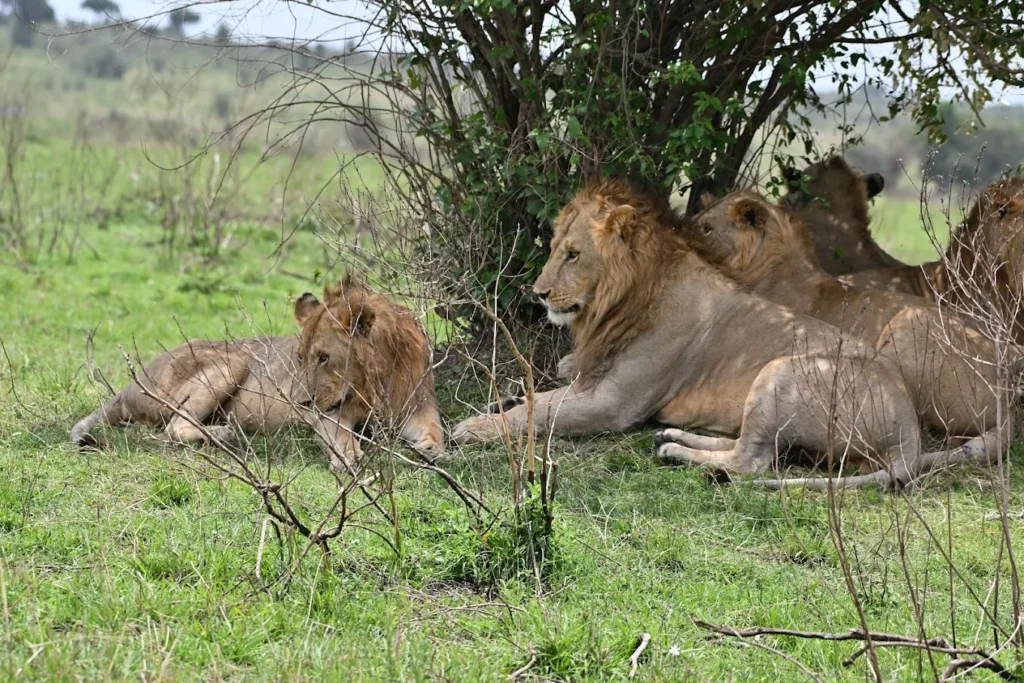
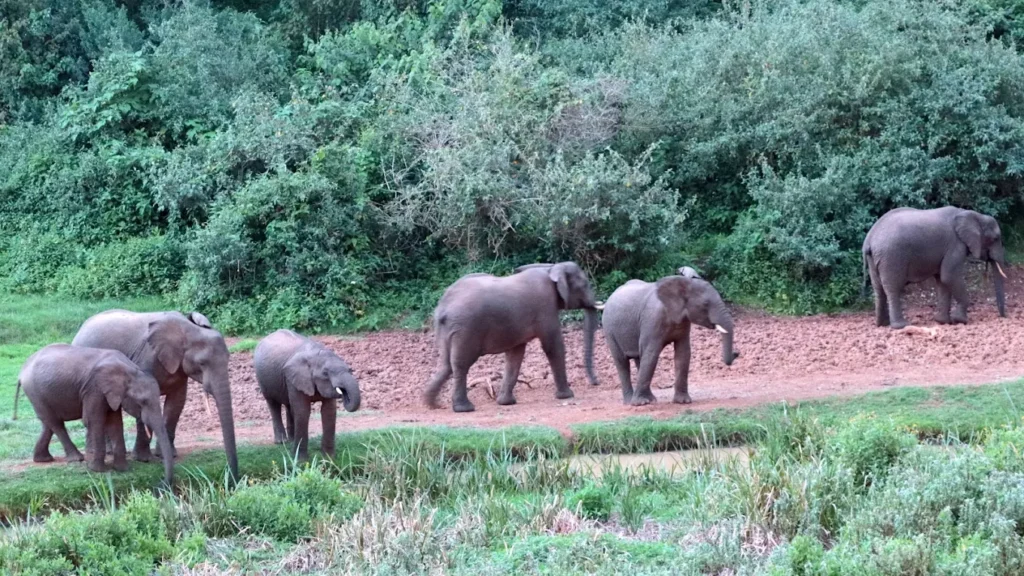
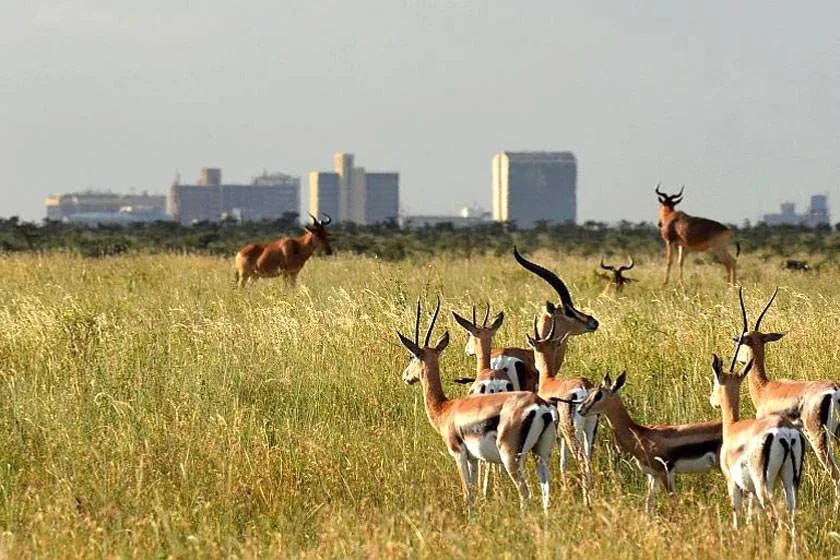
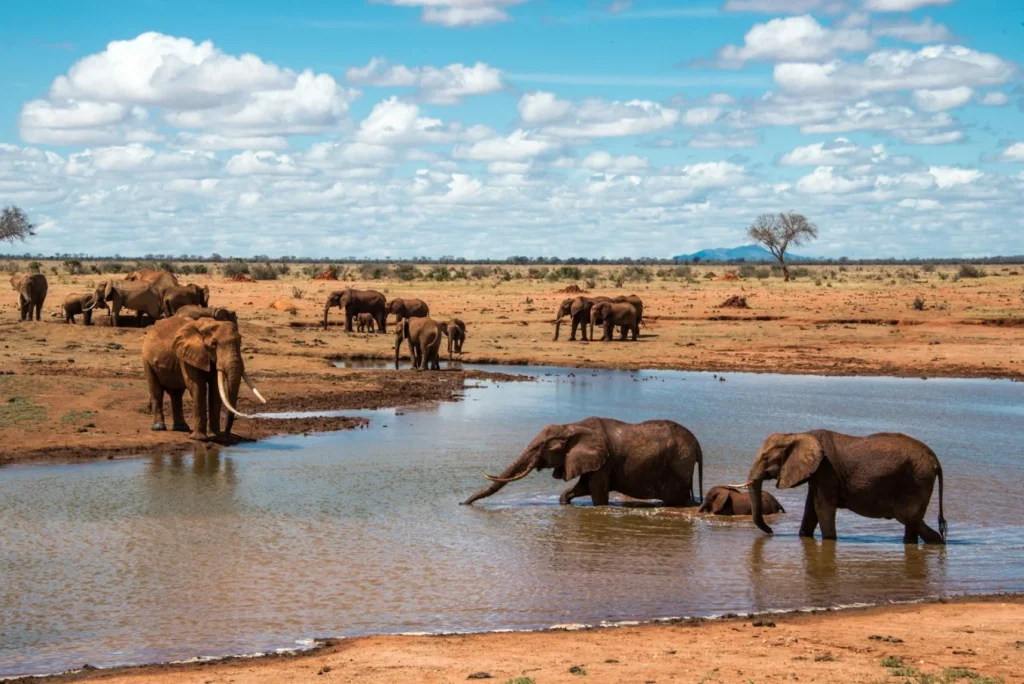
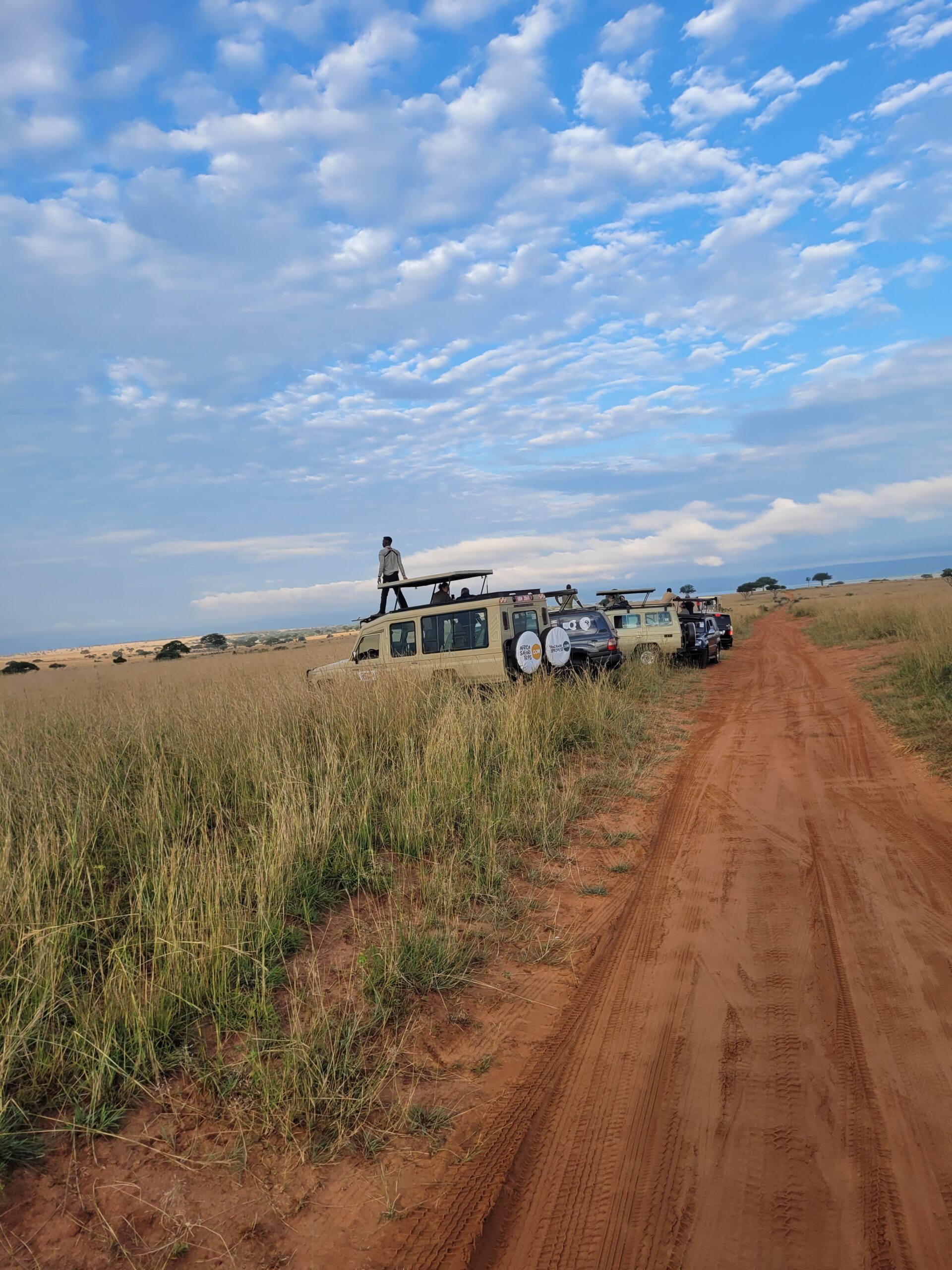
Kenya’s national parks are the crown jewels of its tourism, drawing over 2 million visitors annually for unparalleled safari experiences that evoke the romance of Hemingway’s Africa. The Maasai Mara National Reserve, a 1,510-square-kilometer expanse of golden grasslands, hosts the Great Migration of over 1.5 million wildebeest and zebras thundering across the Mara River in a dramatic spectacle of life and death, pursued by predators like lions and cheetahs. Hot-air balloon safaris at dawn reveal the vastness, with breakfast amid the bush adding luxury. Amboseli National Park, framed by Mount Kilimanjaro’s iconic snow-capped peak, offers elephant herds against acacia-dotted plains and observation hills for panoramic views. Tsavo East and West, spanning 22,000 square kilometers, impress with red-earth elephants (from volcanic dust baths) and the dramatic Mzima Springs, where underwater hippo viewing hides reveal aquatic life. Nairobi National Park, uniquely urban adjacent, allows city dwellers to spot rhinos and giraffes against skyscraper backdrops. Beyond savannahs, Mount Kenya National Park beckons climbers to Africa’s second highest peak (5,199m), with alpine meadows and glacial lakes, while the coastal marine parks like Watamu offer snorkeling amid coral gardens teeming with turtles and colorful fish.
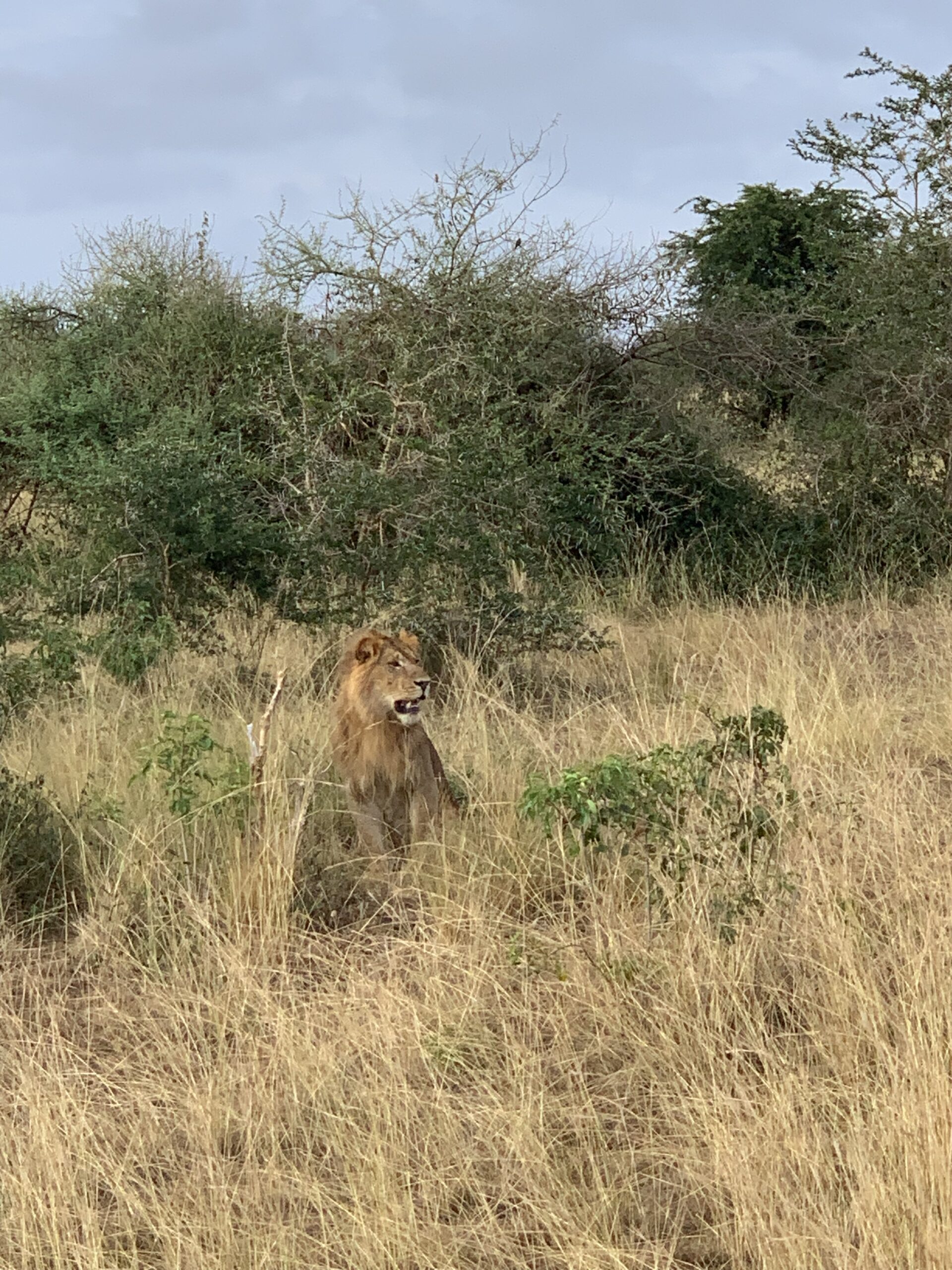
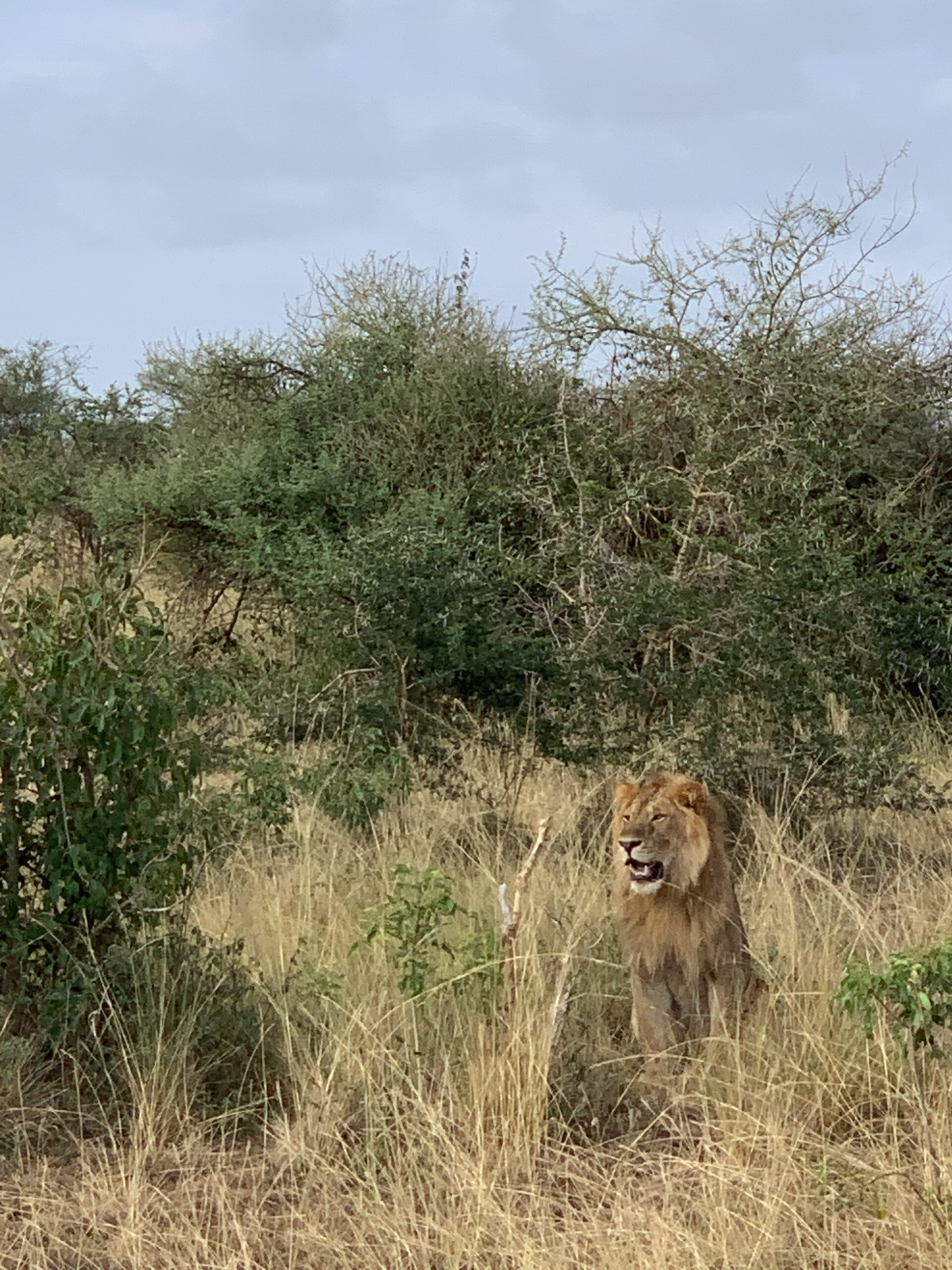
Touristic impressions extend far beyond wildlife: Kenya’s beaches, from Diani’s powdery white sands to Malindi’s historic Swahili ruins, provide idyllic escapes with dhow sailing and fresh seafood feasts. Adventure seekers hike Hell’s Gate’s geothermal geysers or cycle among zebras, while cultural enthusiasts explore Fort Jesus in Mombasa or the vibrant Maasai markets in Nairobi. The Great Rift Valley’s soda lakes, like Nakuru, shimmer with flamingo flocks, creating pink horizons. Yet, tourism’s footprint, overcrowding in peak seasons (July-October for migrations) that underscores the need for responsible travel. Always choose operators supporting local economies, like those employing Maasai guides or funding anti-poaching. Kenya’s allure lies in its raw authenticity, the thrill of a lion’s roar at night, the warmth of a tribal welcome, the humbling vastness of its landscapes, all woven into a narrative of harmony between people and nature. In essence, Kenya is more than a destination but rather an odyssey of discovery, where the echoes of ancient migrations meet modern conservation triumphs, inviting travelers to not just visit, but to connect deeply with its soul.
Buganda rd, Flats village, Nakasero. P.O. Box 175678 Kampala, Uganda
+256 752062530
info@makuboadventures.com