Home – Tanzania
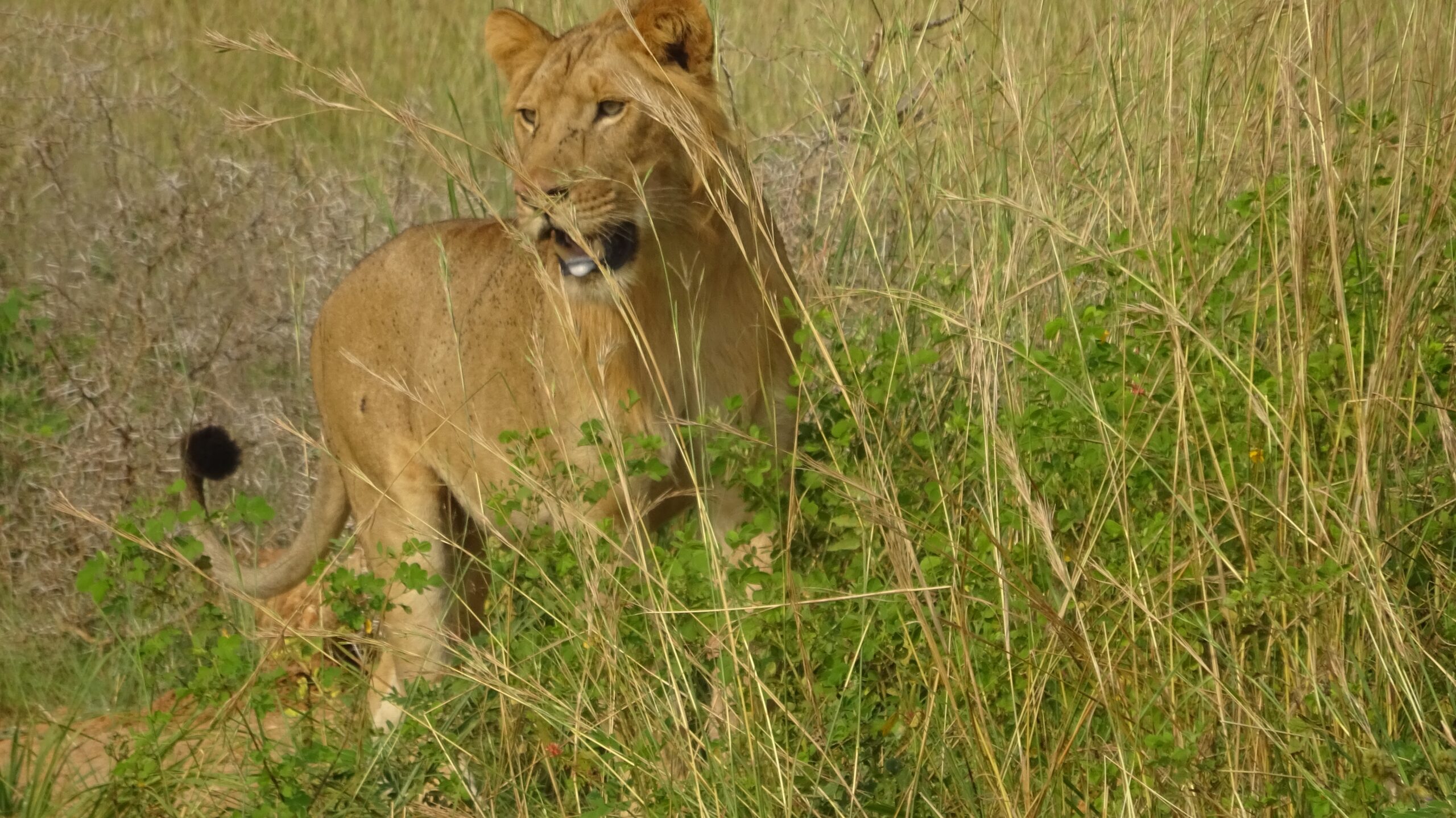
Tanzania, a jewel of East Africa straddling the Indian Ocean, is a land of staggering diversity where ancient volcanoes rise from vast savannahs, turquoise waters lap pristine beaches, and coral reefs teem with life beneath the waves. Covering over 945,000 square kilometers, this nation of more than 65 million people is a mosaic of ecosystems, from the snow capped heights of Mount Kilimanjaro to the endless plains of the Serengeti and the spice scented islands of Zanzibar. Often hailed as the “soul of Africa,” Tanzania blends raw wilderness with a profound human heritage, offering travelers not just sights but soul-stirring experiences. Its name, a fusion of “Tanganyika” (the mainland) and “Zanzibar” (the archipelago), reflects a history of unity forged in 1964 after independence from British rule, creating a stable, welcoming haven that draws adventurers, historians, and nature lovers alike.
A short history of Tanzania’s strong conservation attribute
Tanzania’s robust conservation ethos traces back to pre-colonial times when indigenous communities, like the Maasai, practiced sustainable resource use through customary rules and taboos that protected wildlife and habitats. The formalization began under German colonial rule in the late 19th century, with the first hunting regulations in 1891 and the establishment of game reserves aimed at controlling ivory trade and big-game hunting, which had decimated elephant populations. After World War I, British administration expanded these efforts, proclaiming Serengeti a national park in 1951 and emphasizing fortress-style conservation that often displaced local people but laid the groundwork for modern protected areas. Post-independence in 1961, President Julius Nyerere’s Arusha Manifesto of 1961 declared wildlife a national treasure, leading to the Wildlife Conservation Act of 1974 and a ban on ivory trade in the 1980s amid poaching crises. Today, Tanzania protects about 38% of its land (including marine areas), with innovative community-based models like Wildlife Management Areas (WMAs) empowering locals in conservation, reducing conflicts, and generating tourism revenue—boosting rhino populations from near-extinction to over 200 and elephants to stable levels. This evolution from colonial exclusion to inclusive stewardship underscores Tanzania’s global leadership in balancing biodiversity with human livelihoods.
Tanzania’s vibrant culture
Tanzania’s culture is a harmonious blend of over 120 ethnic groups, reflecting centuries of migration, trade, and adaptation across Bantu, Nilotic, and Cushitic roots. Swahili (Kiswahili), the national language spoken by nearly all Tanzanians, unites this diversity as a lingua franca born from coastal trade with Arabs, Persians, and Europeans, infused with Bantu grammar and Arabic vocabulary. Society emphasizes community and respect, with group needs often prioritizing over individual ones, fostering politeness and generosity in daily interactions. Religion plays a central role: about 35% Christian, 35% Muslim (higher in Zanzibar at 99%), and 30% indigenous beliefs, with remarkable tolerance evident in shared festivals and interfaith harmony. Cuisine mirrors this fusion—ugali (maize porridge) staples meals, paired with nyama choma (grilled meat), pilau (spiced rice), and coastal seafood curries flavored with coconut and tamarind. Arts thrive through makonde wood carvings, tinga-tinga paintings, and rhythmic taarab music blending Arabic melodies with African beats, often performed at weddings or festivals. Family is paramount, with large households and communal child-rearing, while urbanization brings modern influences like Gengetone music and tech hubs in Dar es Salaam
In Tanzania, the Maasai are a semi-nomadic Nilotic people in northern Tanzania. They epitomize cultural resilience with their red shuka cloaks, beadwork, and adumu jumping dances symbolizing strength. Cattle are sacred, representing wealth and sustenance, while age-set systems structure society from warriors to elders. Despite modernization pressures, many maintain pastoral lifestyles, partnering in conservancies for sustainable tourism.
National Parks and touristic impressions
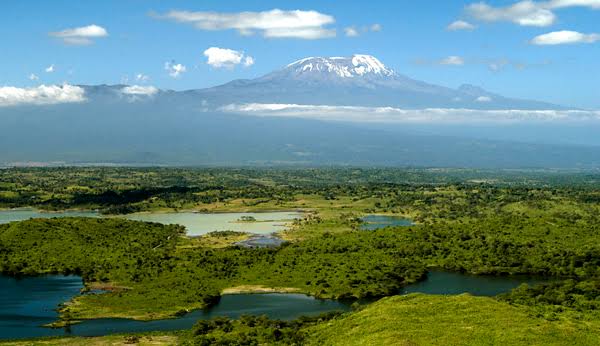
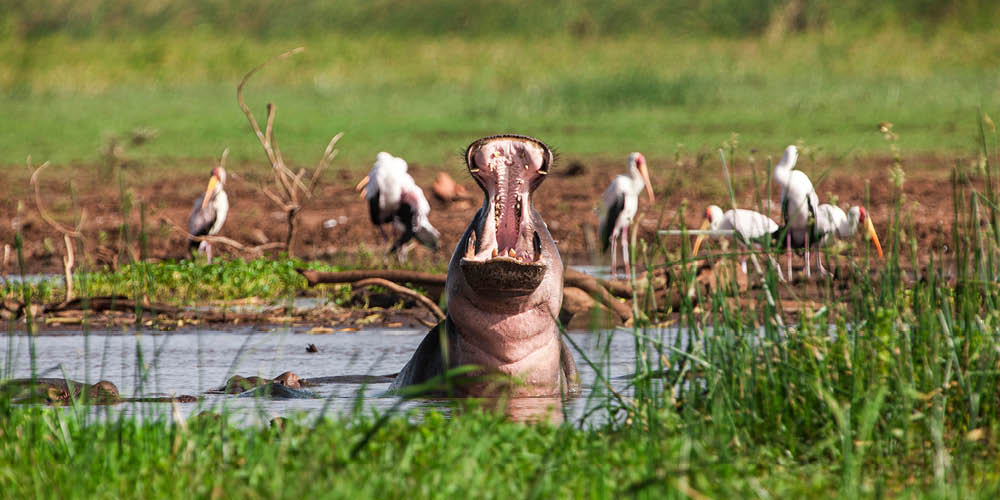
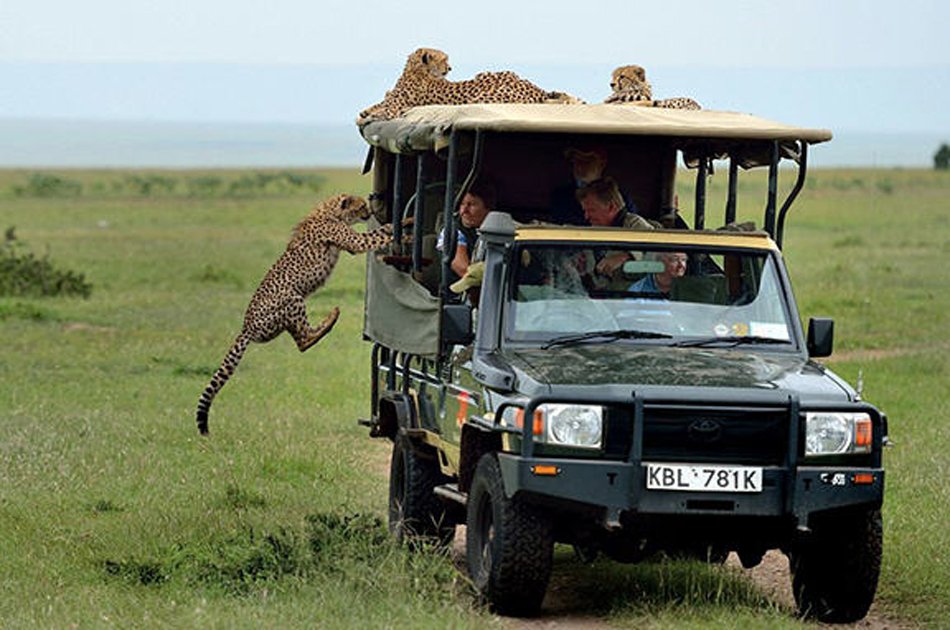
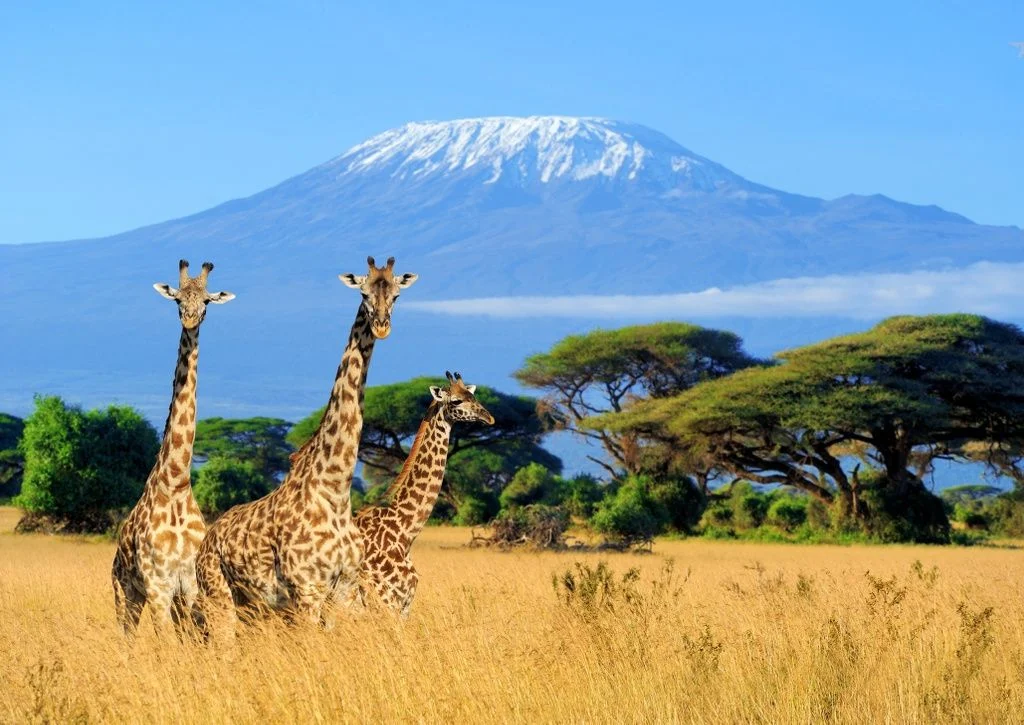
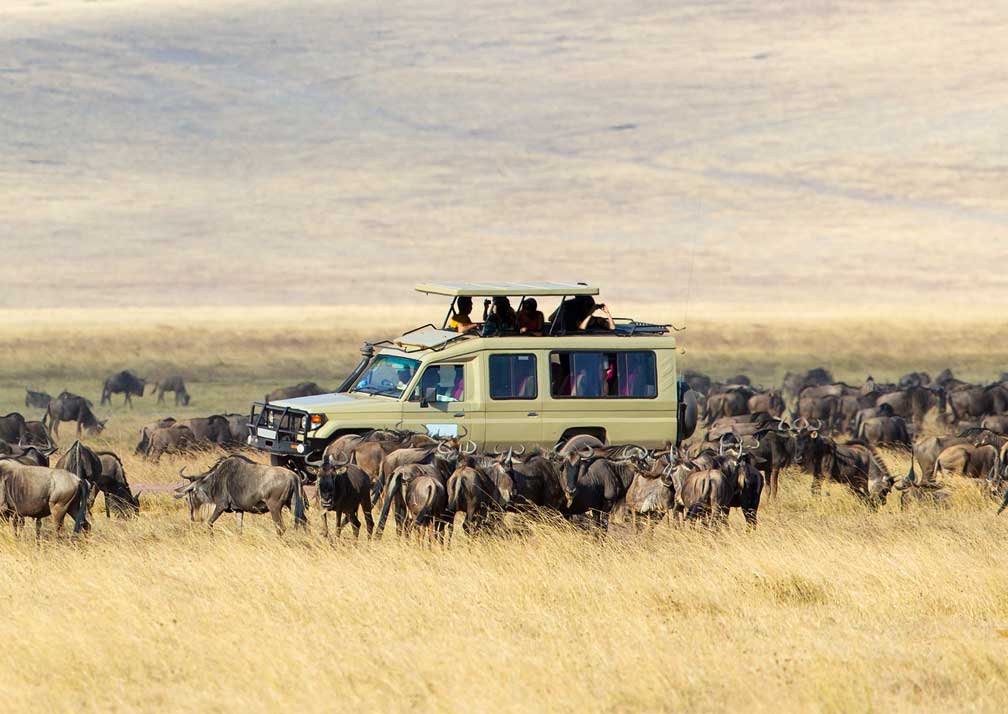
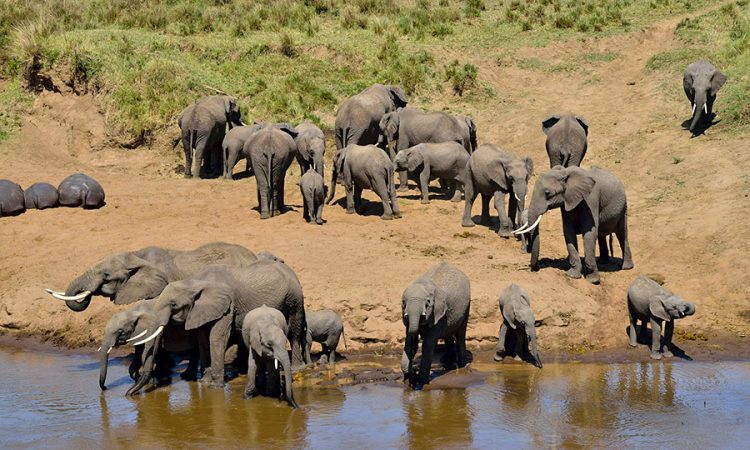
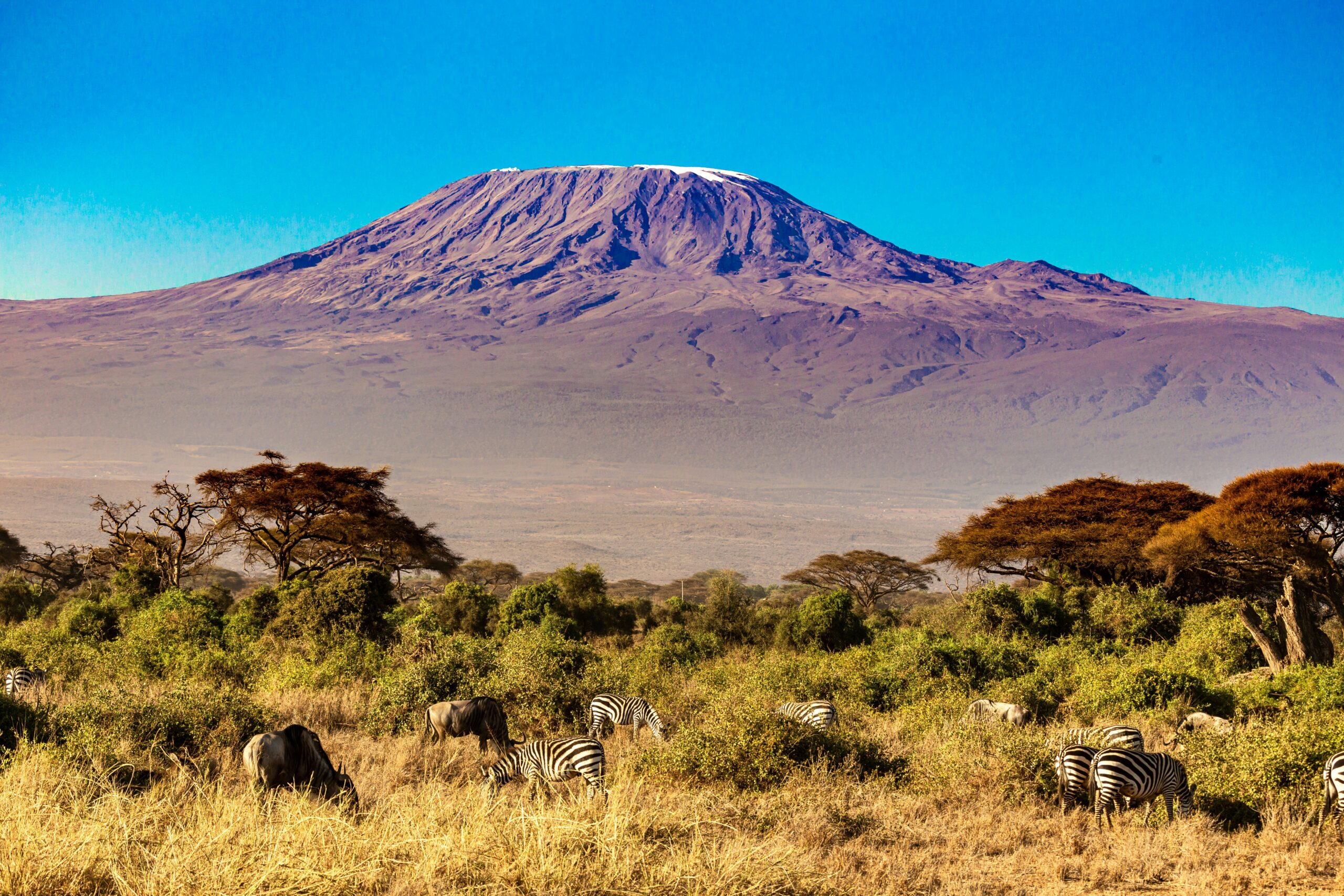
Tanzania boasts 22 national parks covering over 44,000 square kilometers, renowned for unparalleled wildlife density and diversity. The Serengeti National Park, a UNESCO World Heritage Site spanning 14,750 square kilometers, is the epicenter of the Great Migration over 1.5 million wildebeest and zebras thundering across plains pursued by predators, creating one of nature’s greatest spectacles. Hot-air balloon safaris at dawn offer bird’s eye views of this drama. Ngorongoro Crater, a 260-square kilometer caldera, teams with 25,000 animals including black rhinos and lions, forming a natural amphitheater of life. Tarangire National Park shines with massive elephant herds amid baobab trees, while Ruaha, Nyerere (formerly Selous) offer remote, untamed southern wilderness with boat safaris and wild dogs. Kilimanjaro National Park centers on Africa’s highest peak (5,895m), drawing climbers for its glaciers and diverse zones from rainforest to alpine desert. Lake Manyara and Arusha parks provide flamingo filled lakes with monkey filled forests near urban hubs.
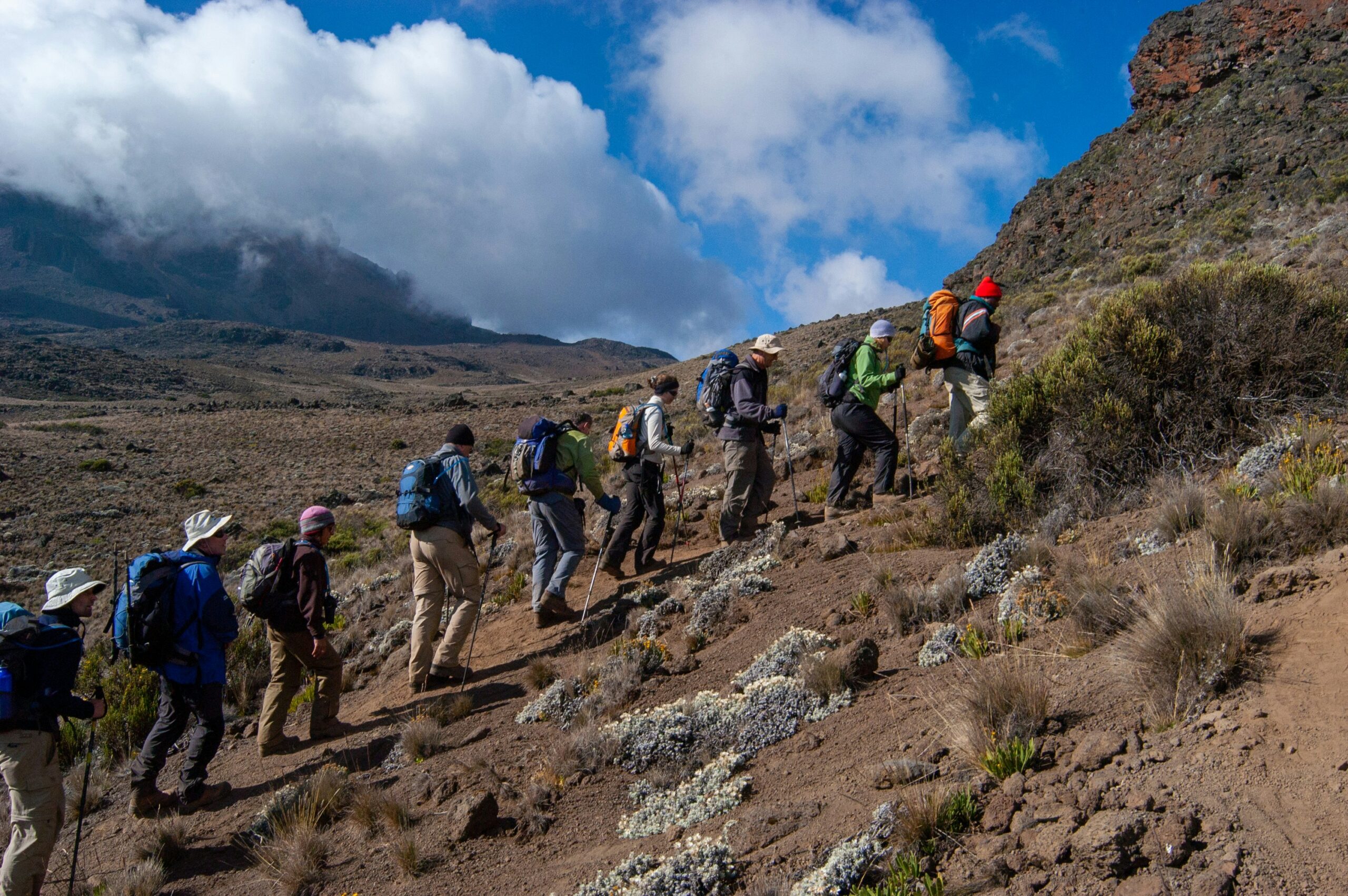
Touristic impressions extend beyond parks, Zanzibar’s Stone Town, a UNESCO site, enchants with Swahili architecture, spice tours, and beaches fringed by dhows and coral reefs for diving. Mount Kilimanjaro hikes offer conquest and views, while Olduvai Gorge reveals human origins with fossil sites. Coastal impressions include Lamu’s medieval Swahili vibe and Pemba’s clove plantations. Dar es Salaam’s markets buzz with energy, and Gombe Stream’s chimpanzees provide primate insights. Overall, Tanzania impresses with accessibility, safety, and a tourism industry blending adventure with eco-luxury.
In summary, Tanzania’s allure lies in its harmonious fusion of nature’s grandeur and cultural depth, inviting visitors to explore responsibly and leave enriched by its timeless wonders.
Buganda rd, Flats village, Nakasero. P.O. Box 175678 Kampala, Uganda
+256 752062530
info@makuboadventures.com